
From July 5 to 18, 2026, the 2026 UAE Youth China Art Summer Program was held in Beijing, jointly organized by the Embassy of the United Arab Emirates in China and the Central Academy of Fine Arts (CAFA), and hosted by the CAFA Center for International Art Education and Exchange. Thirteen faculty members and students from universities in the UAE visited CAFA and took part in a diverse range of learning and practical activities, including thematic lectures, art workshops, cultural visits, academic exchanges, and cultural excursions in Beijing. Through these experiences, they gained an in-depth understanding of the historical traditions, contemporary development, and innovative vitality of Chinese art, embarking on a journey of artistic exchange that transcended linguistic and cultural boundaries.
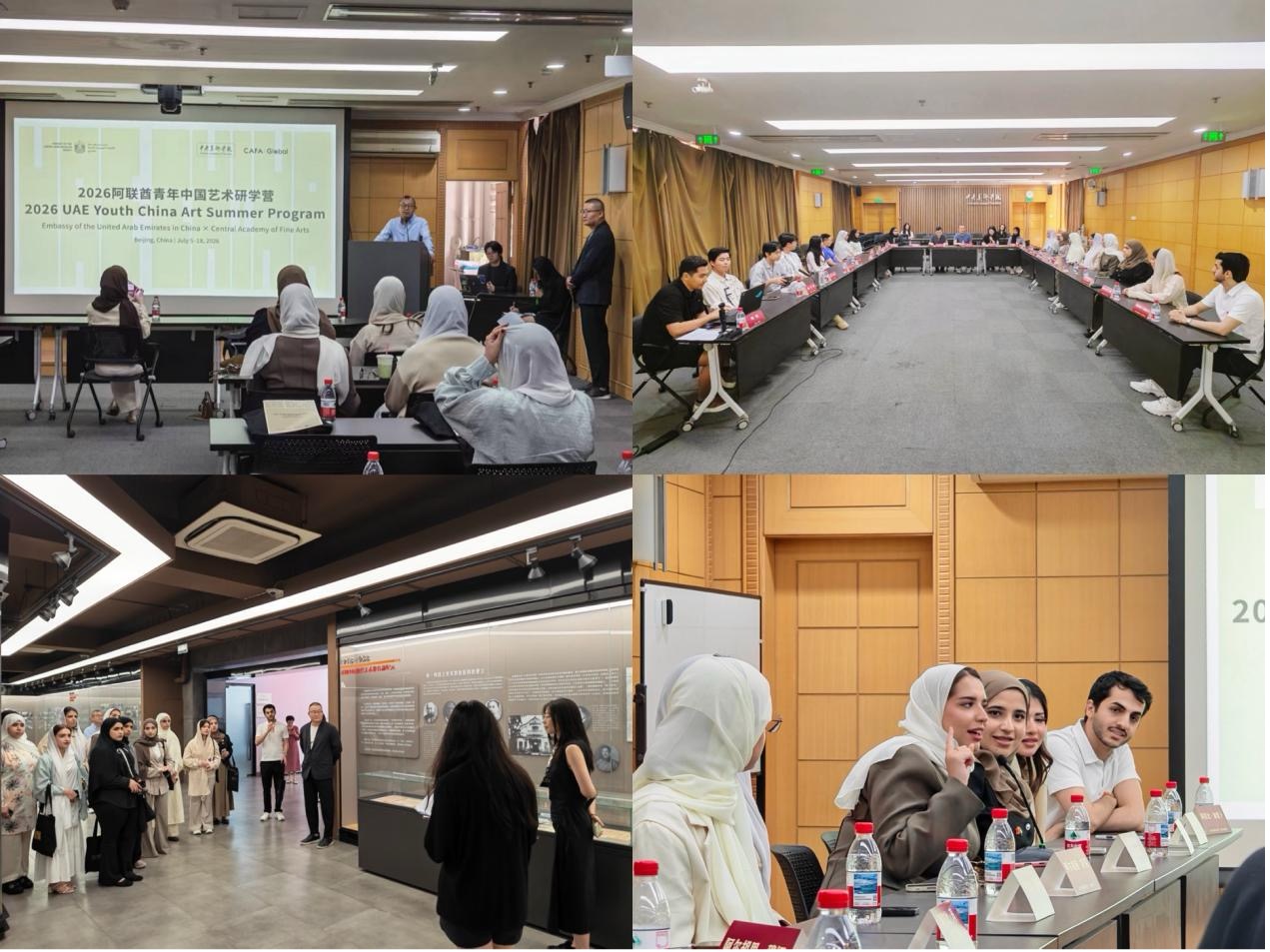
On July 6, the study camp officially opened. Professor Wang Chuan, Director of the Office of International Cooperation and Exchange and Director of the Center for International Art Education and Exchange at the Central Academy of Fine Arts (CAFA), Ms. Haleimah AlDhahani, the UAE delegation leader, and facult members and students from both China and the UAE attended the opening ceremony. Following the ceremony, the UAE students and faculty visited the CAFA History Museum and participated in the China-UAE Student Art Exchange Roundtable. Young participants from the two countries engaged in dialogue on artistic creation, cultural experiences, and personal growth, fostering mutual understanding and deepening friendship through the exchange of ideas.
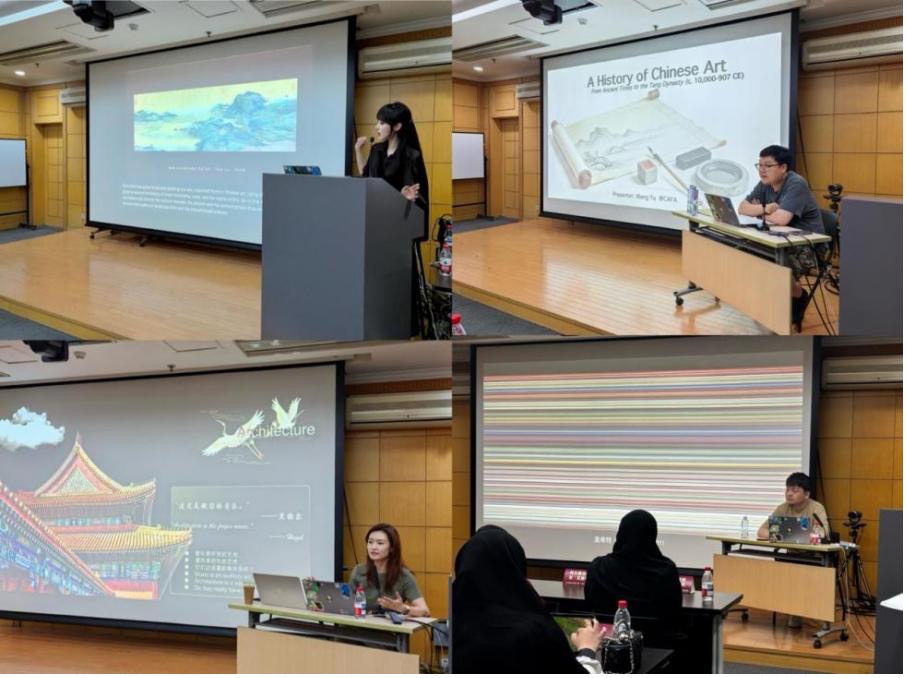
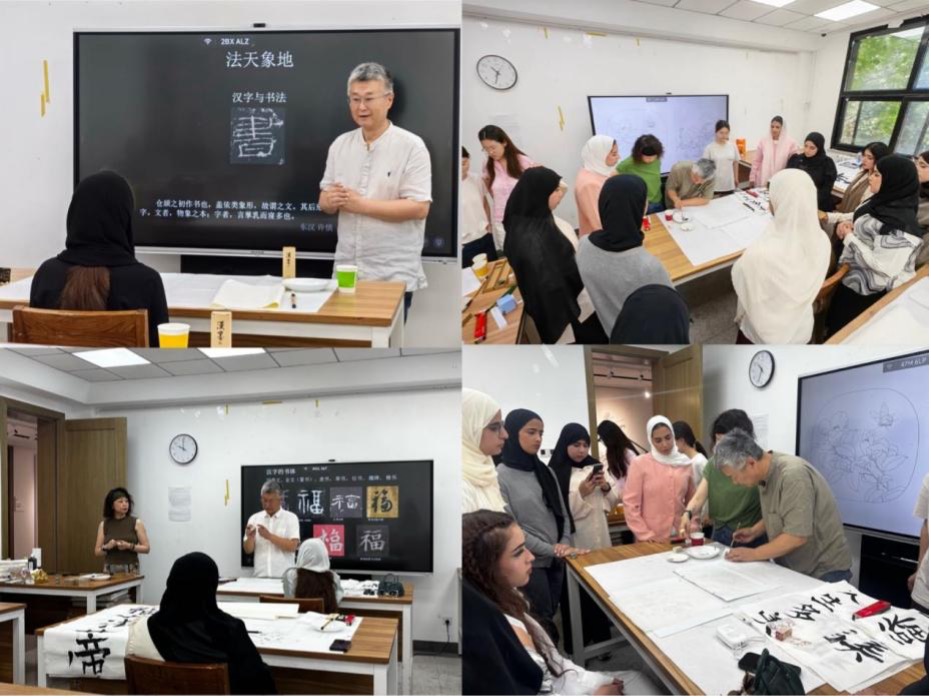
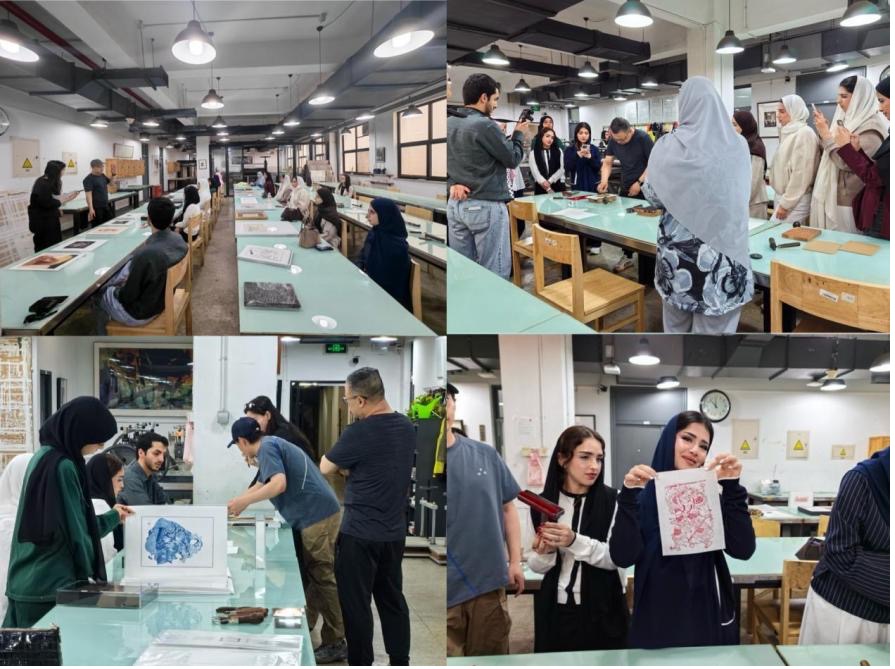
Drawing on the high-quality educational resources of the Central Academy of Fine Arts (CAFA), the study camp featured a carefully designed curriculum structured around three key areas: Chinese Art Studies, Cultural Immersion, and China-UAE Youth Exchange. UAE students took part in a diverse range of thematic courses, including Chinese language and culture, Chinese art history, photography and visual culture, curatorial studies and art criticism, traditional Chinese architecture and rural revitalization, and the development of artificial intelligence in China. From historical traditions and artistic creation to technological innovation, the program offered students a multidimensional understanding of the development of Chinese culture and art.

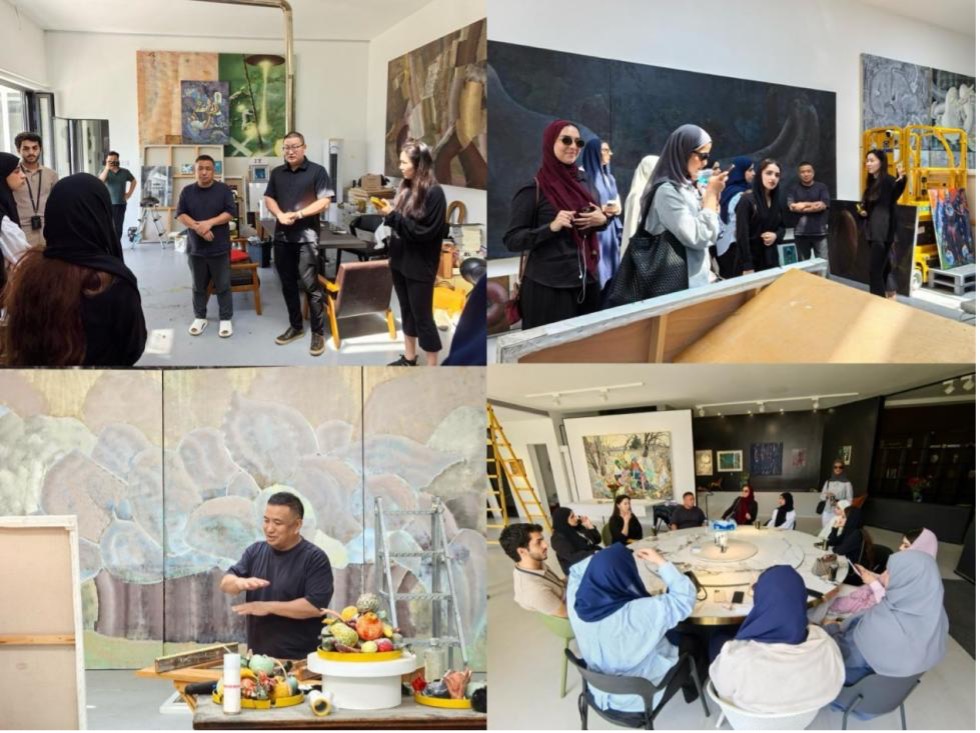


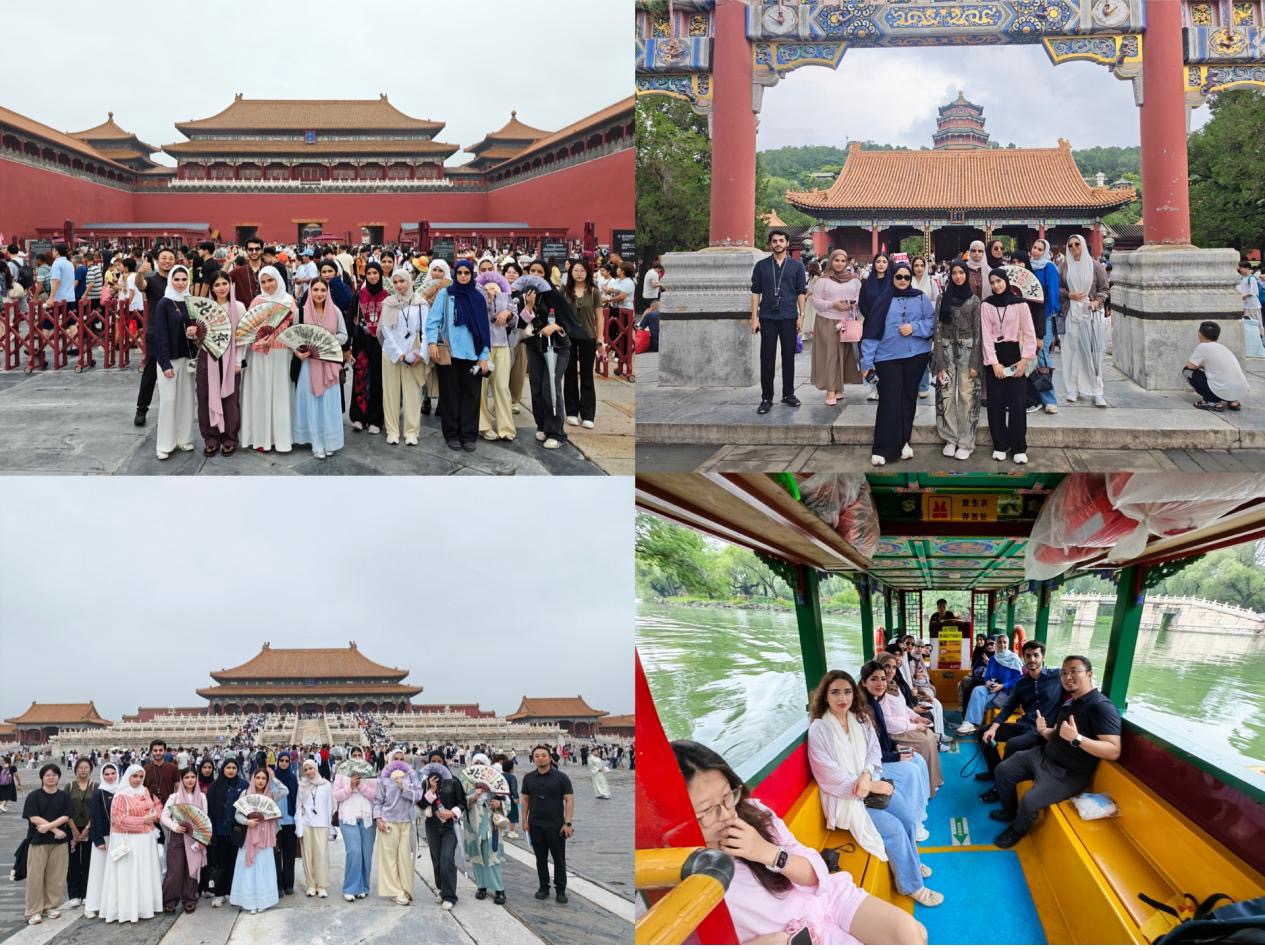
Practice-based learning was a defining feature of the study camp. Students participated in a series of art workshops in printmaking, calligraphy, baimiao (traditional Chinese line drawing), and seal carving, experiencing the unique charm of traditional Chinese art through hands-on creative practice. They also visited the CAFA Art Museum, the Beijing Fine Art Academy, Yimei Art Museum, the 798 Art District, and artists' studios, where they gained first-hand insight into the development and contemporary landscape of Chinese art through exhibition visits, institutional tours, and exchanges with artists. In addition, on-site learning sessions were organized at major cultural heritage sites, including the Forbidden City, the Temple of Heaven, and the Summer Palace, enabling participants to appreciate the profound heritage of Chinese civilization through its historic architecture, classical gardens, and urban cultural landscape.
After two weeks of learning and exchange, the UAE students and faculty not only gained a systematic understanding of China's art education system but also gained valuable cross-cultural exchange experiences through classroom learning, artistic practice, and cultural immersion. At the closing ceremony, three student representatives shared their learning outcomes and reflections from the study camp. They noted that their journey to China had deepened their understanding of Chinese art, culture, and contemporary development, while further inspiring them to reflect on their future artistic practices and international exchanges.


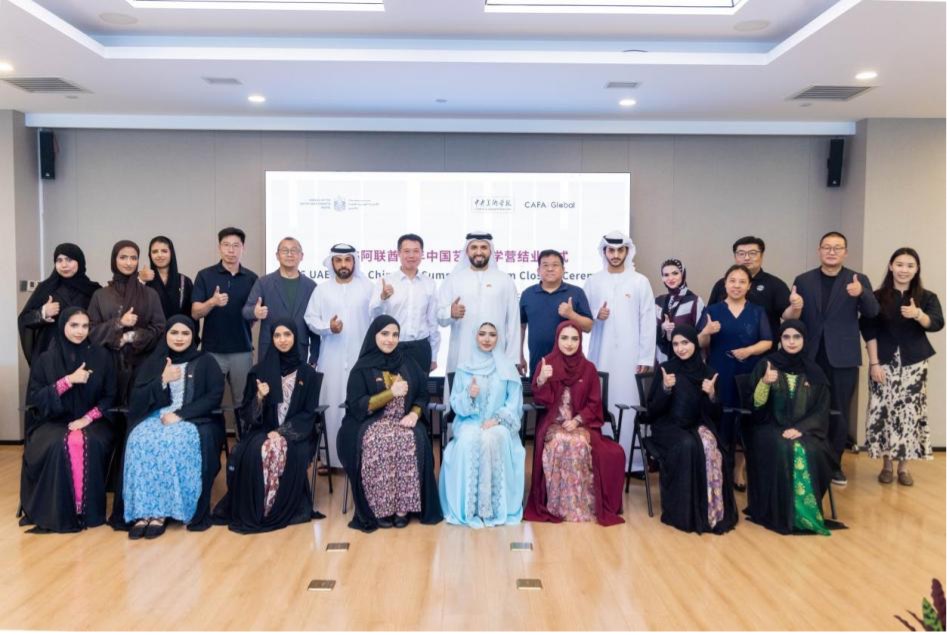
On July 17, the study camp held its final presentation and closing ceremony. H.E. Khaled Alshehhi, Deputy Chief of the Mission-UAE Embassy in the People's Republic of China; Zhang Zhubo, Vice President of the Central Academy of Fine Arts (CAFA); as well as heads of relevant schools, departments, and offices, together with faculty members and students from China and the UAE, attended the event.
A short documentary featuring highlights from the study camp was screened during the ceremony. Guests witnessed the students' learning achievements and presented certificates of completion to all participating students and faculty members.


Vice President Zhang Zhubo expressed his hope that the students would bring back to the UAE what they had seen, heard, learned, and experienced during the study camp, becoming young ambassadors for China-UAE friendship and cultural exchange. He also looked forward to continued and deeper cooperation between the two sides in art education.
H.E. Khaled Alshehhi, Deputy Chief of the Mission-UAE Embassy in the People's Republic of China, noted that young people are a nation's most valuable asset. He encouraged the students to cherish this learning experience, promote mutual understanding among civilizations, and contribute to strengthening educational and people-to-people exchanges between China and the UAE.
Professor Wang Chuan said that the study camp not only provided a platform for artistic exchange among young people from China and the UAE, but also further deepened bilateral cooperation in art education. He expressed the hope that, moving forward, the two sides would continue to use art as a bridge to promote deeper and more substantive exchanges and mutual learning between the civilizations of China and the UAE.
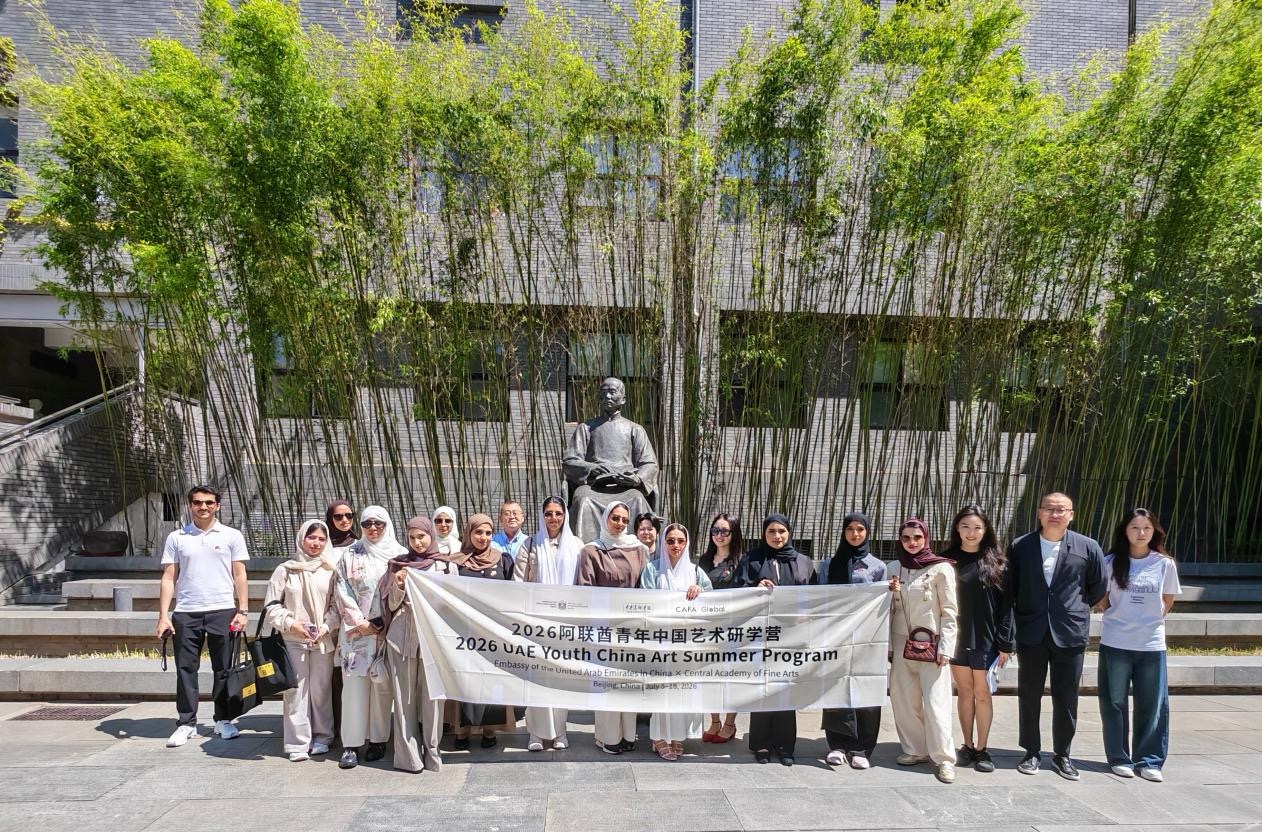
The study camp was not only a successful initiative through which the Central Academy of Fine Arts (CAFA) leveraged its professional strengths and deepened international cooperation in art education, but also a vivid example of how China and the UAE can promote mutual learning among civilizations through youth exchange and strengthen friendship between their peoples through art education. Looking ahead, CAFA will continue to work closely with the Embassy of the United Arab Emirates in China to expand cooperation in art education and youth exchange, and jointly write a new chapter in the exchange and mutual learning between Chinese and Arab civilizations.
 Exhibition | “Growth” and “Stillness” —Dual Solo Exhibitions by Li Jiangfeng and Ma Jiawei Open at Ningbo Museum of Art